9 August 2026
Món Ăn Đặc Biệt
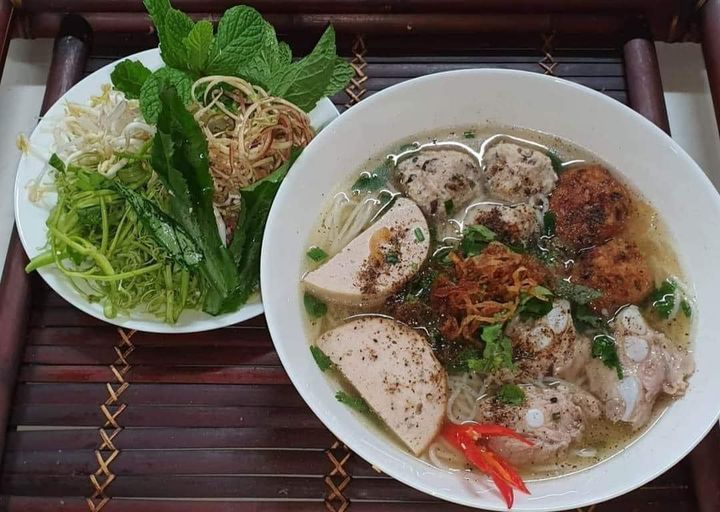
Bún Mọc
Bún Mọc is a Northern Vietnamese noodle soup that originated in Hà Nội, built around ** mọc** — finely minced pork paste shaped into small meatballs. It’s one of the most traditional, home-style soups in the North, known for its clear broth, gentle seasoning, and simple elegance.
🏡 Origins in Northern Vietnam (Hà Nội)
Bún mọc comes from Hà Nội’s old villages, especially areas where pork was abundant and families made giò sống (raw pork paste) at home.The word “mọc” simply means minced pork paste shaped into balls — a very old cooking technique in the North.
It began as:
- A home-cooked breakfast soup
- Made with leftover giò sống
- Served with fresh rice noodles (bún tươi)
- Broth simmered from pork bones, mushrooms, and shallots
This simplicity reflects the Northern cooking philosophy: clear broth, natural sweetness, minimal spices.
🍜 Evolution Into a Street-Food Classic
By the mid-1900s, as Hà Nội’s street-food culture grew, bún mọc became a popular morning dish sold by small vendors. It was affordable, quick to prepare, and comforting. Street versions added:
- Wood ear mushrooms (nấm mèo) for texture
- Giò lụa or giò tai slices
- Sometimes pork ribs or pork knuckles
But the broth remained light, clean, and fragrant — very different from the richer Southern soups.
🌏 Spread to Southern Vietnam
After 1975, Northern families moving south brought bún mọc with them. Southern versions evolved to be:
- Slightly sweeter
- More generous with toppings
- Sometimes including mushroom varieties or quail eggs
But the core identity — pork meatballs + clear broth + bún tươi — stayed the same.
🧭 Cultural Significance
Bún mọc is considered:
- A comfort food
- A symbol of Northern home cooking
- A dish that highlights freshness over complexity
It’s often served during family gatherings because it’s easy to cook in large pots and appeals to all ages.
Bún mọc is:
- A traditional Hà Nội noodle soup
- Born from home-style cooking using minced pork paste
- Known for its clear, gentle broth
- Popularized by street vendors in the 20th century
- Spread nationwide after 1975
- Loved for its simplicity and purity of flavor